Comprehensive Dental Services: What You Need to Know for Superior Oral Health
Extensive dentistry services serve a critical function in attaining and preserving optimal oral health. Regular check-ups and preventive care can detect problems at an early stage, minimizing the need for extensive dental work. Emergency dental services offers prompt responses to urgent problems, while cosmetic dental treatments can improve a person's look and confidence. Knowing the range of available treatments and choosing an appropriate dental professional is critically important. The next steps in this journey could result in meaningful advancements for one's overall dental additional information well-being.
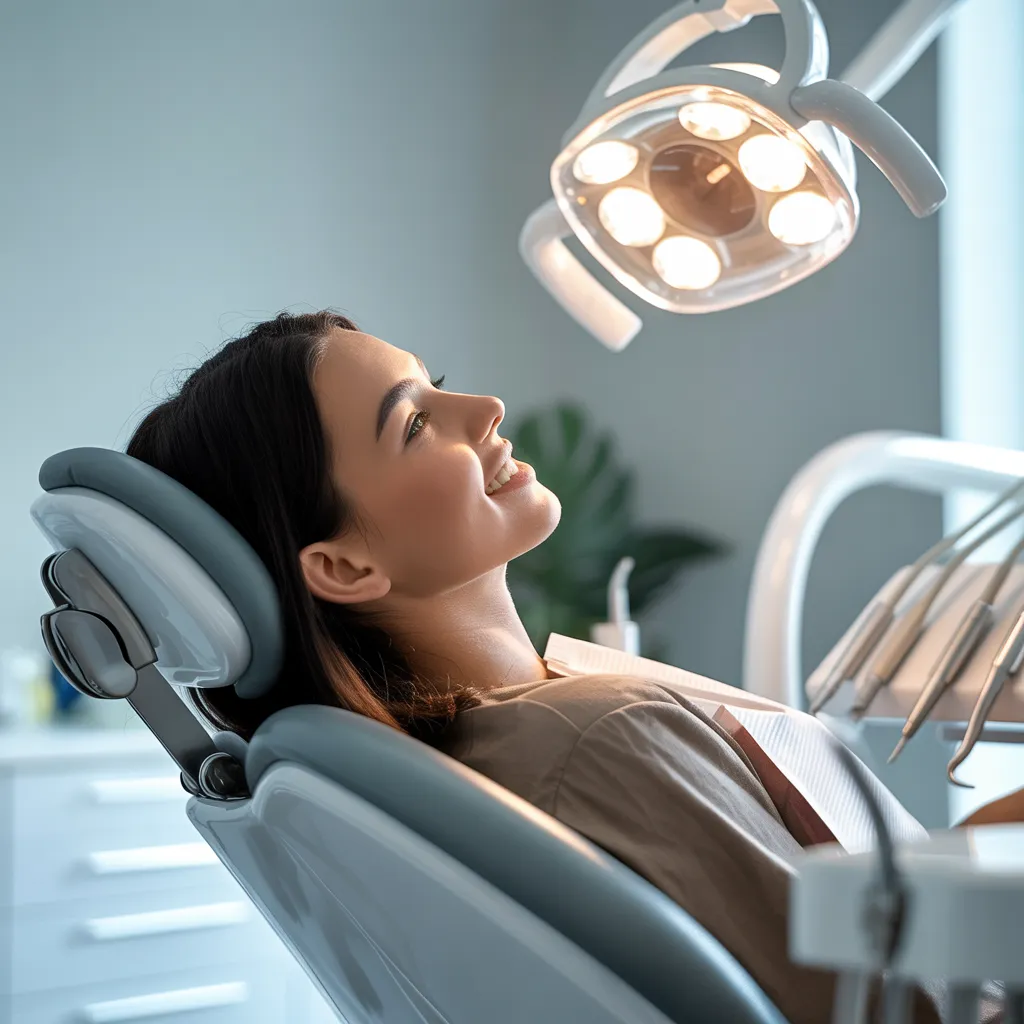
The Importance of Regular Dental Check-Ups
Although many may underestimate their significance, routine dental visits play an essential role in maintaining ideal oral health. These check-ups permit dental professionals to monitor the condition of the teeth and surrounding tissues, recognizing problems early before they become significant health matters. Prompt diagnosis of cavities, gum disease, or other oral health concerns may result in more successful and minimally invasive care.
Moreover, dental examinations typically involve professional cleanings that eliminate plaque and tartar, decreasing the risk of decay and maintaining fresh breath. They also offer an opportunity for patients to receive personalized guidance on correct oral hygiene practices tailored to their specific needs.
Additionally, these consultations build a reliable relationship between patients and their dental professionals, supporting open conversation about any issues. Consistent dental appointments ultimately enhance long-term oral health, guaranteeing that patients enjoy a beautiful smile and overall health throughout their lifetime.
Understanding Preventive Care and Its Benefits
Preventive care plays an essential role in maintaining ideal oral health. Scheduled cleanings, together with sealants and fluoride treatments, substantially decrease the risk of tooth decay and gum disease. Understanding these benefits empowers individuals to make informed decisions about their dental care.
Why Routine Cleanings Matter
Regular dental cleanings act as a cornerstone of ideal oral health, emphasizing the importance of preventive care. These professional cleanings, generally advised twice a year, help remove plaque and tartar buildup that regular brushing may miss. By addressing these factors, individuals can greatly reduce the risk of cavities, gum disease, and other oral health issues. Moreover, professional cleanings permit dental providers to recognize initial signs of developing issues, facilitating early intervention. This proactive approach not only maintains a healthy smile but also contributes to overall well-being. Patients often experience fresher breath and a brighter appearance following cleanings, reinforcing the psychological benefits of routine dental visits. Ultimately, investing in regular cleanings fosters a lifetime of peak oral health.
Benefits Of Sealants And Fluoride
When exploring methods for supporting dental health, the benefits of fluoride treatments and dental sealants come to light. Dental sealants are thin coatings placed on the chewing surfaces of molars, successfully preventing cavities by blocking grooves where food and bacteria can accumulate. This preventive measure is highly recommended for young patients, as their back teeth are often more susceptible to decay.
Fluoride treatments, on the other hand, strengthen tooth enamel, making it more resistant to acid attacks from plaque and foods. Routine fluoride use can substantially decrease the likelihood of developing cavities. When used together, sealants and fluoride form a complete approach to preventive dental care, encouraging long-term oral wellness and limiting the demand for more complex dental procedures in the years ahead.
What You Can Expect During Your Routine Dental Check-Up?
A standard dental examination typically involves a number of important elements intended to monitor and support proper oral health. First, the dentist conducts a careful inspection of the gums, teeth, and surrounding tissues to identify any concerns such as gum disease, cavities, or other oral health conditions. Subsequently, a professional cleaning procedure is performed, which involves the elimination of plaque and tartar deposits, polishing of the teeth, and detailed flossing to enhance overall gum wellness.
X-rays might additionally be obtained to detect underlying problems that are unable to be seen during the examination. The dentist may discuss customized oral hygiene routines and nutritional guidance tailored to the patient's needs. Moreover, any required treatments or preventive measures, such as sealants or fluoride application, may be proposed. In summary, consistent check-ups are crucial for the early identification of possible concerns, promoting lasting oral health and preventing more serious complications.
Emergency Dental Treatment: Essential Services to Know
Emergency dental care is essential for addressing urgent situations that can arise unexpectedly. Common dental emergencies include severe pain, broken teeth, and infections, all of which require immediate attention. Knowing how to respond and where to find emergency dentists can make a significant difference in treatment outcomes.
Frequent Dental Emergencies
Dental emergencies can occur without warning, often causing significant pain and anxiety. Typical dental emergencies involve severe toothaches, which may signal infections or decay, and knocked-out teeth, necessitating immediate attention to improve the likelihood of preserving the tooth. Fractured or broken teeth can also lead to discomfort and may call for prompt attention. Additional concerns include abscesses, which can result in inflammation and fever, and dental appliances that fracture or fail. Every one of these circumstances calls for immediate assistance from a dental specialist to reduce additional complications and relieve discomfort. Understanding these frequent emergencies allows people to act appropriately, guaranteeing that optimal oral health is preserved and avoiding lasting harm.
Immediate Care Procedures
Comprehending immediate care procedures is crucial for managing dental emergencies successfully. When a dental emergency occurs, timely intervention can greatly minimize injury and relieve discomfort. Typical steps include securing a displaced tooth, cleaning a dislodged tooth with saline solution, and using an ice pack to reduce swelling. For severe pain, non-prescription pain relievers may provide temporary relief until dental treatment is obtained. In situations involving hemorrhage, applying gentle pressure with a sterile gauze can assist in stopping it. Identifying the seriousness of the circumstance is imperative; some problems may necessitate urgent dental assessment. In the end, knowledge of these immediate care steps empowers individuals to move promptly, guaranteeing optimal results in dental emergencies.
Finding Emergency Dentists
Finding the search for emergency dentists can be daunting, especially during a dental emergency. Patients often face sudden dental problems, such as acute pain, broken teeth, or infections, demanding immediate attention. To identify an emergency dentist, one can start by searching online directories and dental association websites. Reviewing reviews and testimonials can offer insight into a dentist's credibility and quality of care. It's also helpful to seek recommendations from friends or family. Being aware of a dentist's office hours and whether they accept walk-ins is important, as many emergencies occur outside regular hours. Additionally, some dental practices offer around-the-clock services, guaranteeing prompt care when needed most, thereby easing the stress of unexpected dental emergencies.
Choosing the Right Cosmetic Dental Procedure for Your Smile
How does one determine the ideal cosmetic dentistry option to achieve a better smile? Individuals seeking cosmetic enhancements should first assess their individual goals and requirements. A visit to an experienced dentist can provide valuable insights, allowing patients to explore choices such as teeth whitening, veneers, or orthodontics.
Additionally, elements such as one's oral health condition, budget, and expected results hold significant importance in the selection process. For example, those with discoloration may benefit from professional whitening options, while those with misalignment could explore clear aligners or braces.
It is essential to evaluate the advantages and disadvantages of each treatment option and understand the potential healing time involved. Conducting research and seeking recommendations can further shape selections, ensuring people select a procedure that matches their aesthetic preferences and overall oral well-being. Ultimately, the most suitable cosmetic dental solution can considerably improve one's overall confidence and appearance.
Expert Dental Solutions: A Guide to Root Canals, Implants, and Additional Treatments
Advanced dental treatments encompass numerous treatments aimed at restore and enhance oral health. As part of these treatments, root canal therapy plays a vital role in saving teeth affected by severe decay or infection. This process includes removing the infected pulp, cleaning the canal, and sealing it to prevent further issues.
Dental implants mark another remarkable milestone, delivering a long-term answer for tooth loss. They are composed of titanium posts that are surgically placed into the jawbone, serving as artificial tooth roots for crowns that rebuild function and appearance.
Additional specialized treatments often include gum disease management through periodontal therapy and oral surgery for complex cases. All of these treatments demand expert knowledge and technical skills, highlighting the critical need for qualified specialist care. Through these advanced interventions, dental patients can experience enhanced oral wellness, dental function, and smile confidence. Knowing about these treatment alternatives enables patients to make well-considered decisions concerning their dental treatment plan.
How to Select the Best Dental Provider for Your Requirements
Selecting the best dental provider can significantly affect an individual's oral health experience. Patients should evaluate a number of factors to confirm they get ideal care. To begin, evaluating credentials and experience is important; a qualified dentist should possess proper licenses and have specialized training relevant to individual needs.
Furthermore, evaluating the variety of offered treatments can make it easier to determine if a dental professional aligns with one's oral health needs, covering regular check-ups or complex procedures.
Furthermore, convenience factors such as location, office hours, and appointment availability should be taken into account, as these can affect regular visit frequency.
Furthermore, reviewing online feedback and requesting suggestions from reputable sources can offer meaningful information about a provider's reputation and patient satisfaction.
As a final consideration, discussing financial considerations and insurance options can assist in making an educated choice. By thoroughly researching these factors, people can identify a dental care provider that perfectly aligns with their personal requirements.
Frequently Asked Questions
When Should I Replace My Toothbrush?
Experts recommend changing your toothbrush every three to four months, or sooner if bristles become frayed. Consistent replacement ensures efficient cleaning and preserves oral hygiene, helping to prevent plaque buildup and maintain overall dental health.
Are X-Rays at the Dentist Safe for Children?
Dental x-rays are generally considered safe for children when performed correctly. They emit minimal radiation, and safety measures, including lead aprons, are applied. Consistent monitoring safeguards their dental well-being while limiting exposure to potential hazards.
What Foods Should I Stay Away From for Better Oral Health?
To improve oral health, one should refrain from consuming sugar-laden treats, acidic foods, and sticky items that cling to teeth. Cutting back on carbonated drinks and decreasing the intake of processed carbohydrates additionally promotes preserving superior dental cleanliness and holistic health.
Does Stress Have an Impact on My Dental Health?
Stress can greatly impact dental health by leading to jaw clenching, teeth grinding, and neglected oral hygiene habits. These behaviors may lead to gum disease, excessive tooth wear, and various other dental problems over time.
How Can I Handle Dental Anxiety Prior to Appointments?
To handle dental nervousness before appointments, individuals can engage in deep breathing exercises, imagine successful appointments, communicate concerns with the dentist, arrange stress-free dental sessions, or explore mindfulness practices to cultivate tranquility and minimize stress while undergoing dental care.